Ketchikan, Alaska has been called the salmon capital of the world for generations. Ketchikan's History dates back to 1883, when a man named Snow built the first salmon saltery. The city's name comes from the native Tlingit word meaning "Thundering Wings of an Eagle”. Ketchikan has a strong native culture that the town proudly embraces. It is home to the world's largest collection of standing totem poles.
![]() |
Ketchikan is Located near the Tongass National Forest, the bottom of the southeastern Alaska panhandle on Revillagigedo Island. About 90 miles north of the Canada/U.S. border at the entrance to the Tongass Narrows and at the base of Deer Mountain. It has a population of nearly 8,000 people.
Historically Ketchikan’s economy has been based on mining, logging and fishing. However, today the town’s main economic source is fishing and tourism.
Ketchikan is a rainforest averaging 150 inches of rainfall a year. Feeding the countless streams, rivers, lakes, and fjords that are spawning grounds for the five types of Alaskan Salmon. The King, Sockeye, Pink, Chum, and Silver Salmon.
Ketchikan the salmon capital of the world, has an outstanding collection of totem poles and a wide array of fresh wild salmon, making a visit to Ketchikan essential for anyone interested in native art and healthy eating.

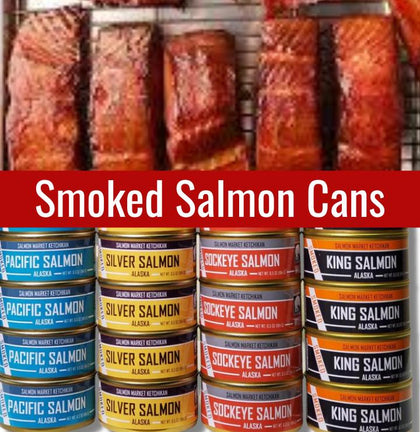
Smoked Salmon - Can
Smoked Salmon - Foil Packed
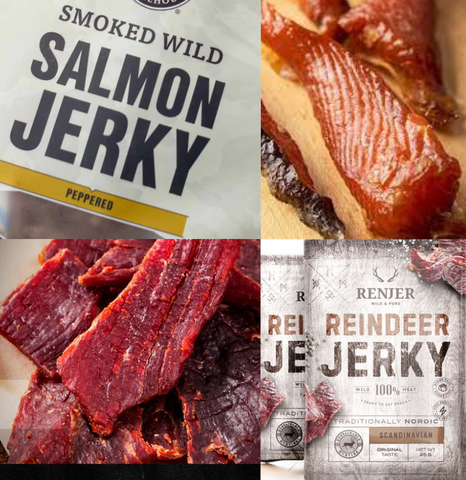
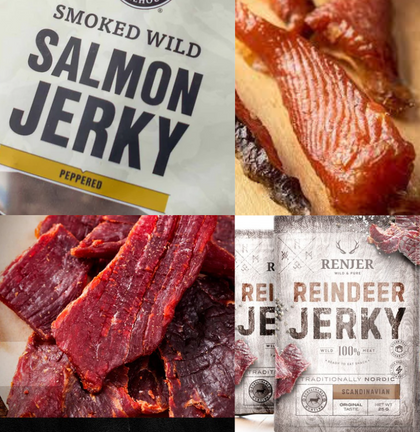
Jerky
Reindeer Sausage
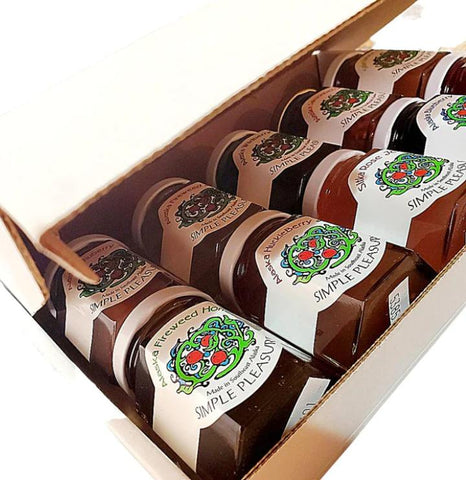
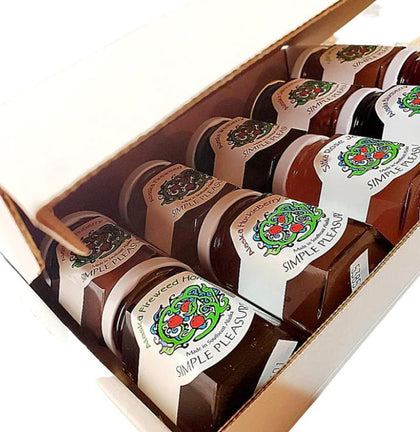
Jams & Jellies
Spreads
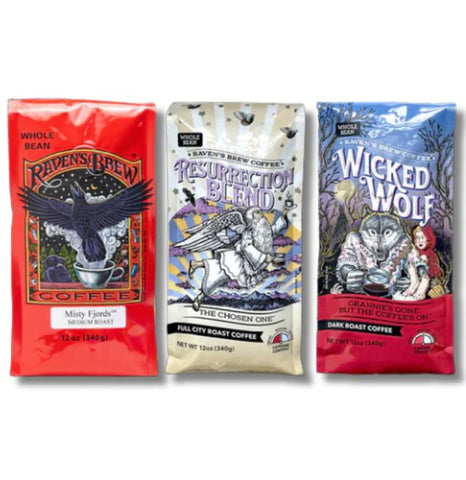
Coffee